Back in 2012, visibility was something you could buy. A well-placed bid, a few clever keywords, and a handful of backlinks were enough to nudge your brand onto page one. Search was a game — noisy, yes, but knowable. You could outspend, out-optimize, or outwait the competition.
That world is vanishing.
In its place: a quieter, more opaque ecosystem where visibility is bestowed. Where your brand’s presence is no longer earned through page clicks, but summoned by the cold inference of a machine.Welcome to the age of the large language model.
The Tyranny of Being First
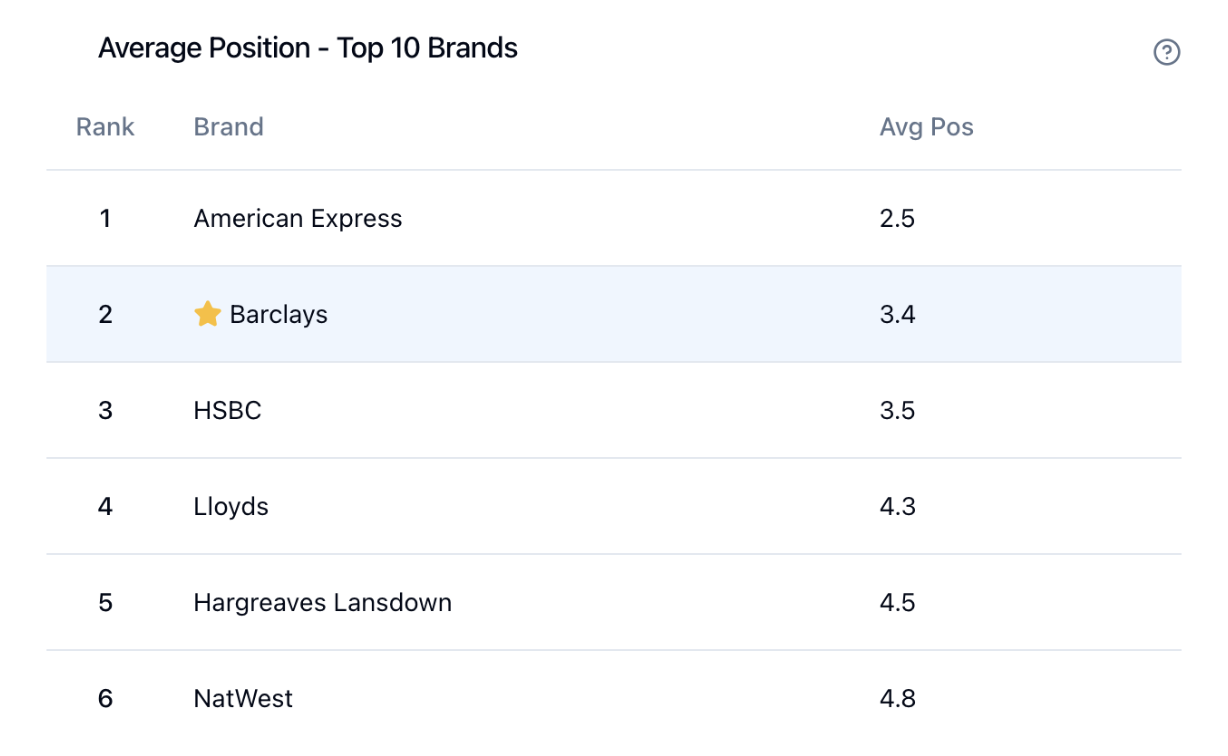
Ask ChatGPT a question about mortgages, or Claude about ESG investing, or Perplexity about crypto wallets and you’ll notice something. The same names surface. Again and again. Not because they’re the most ethical. Or the most innovative. But because they were early. Structured. Frequently cited. Built for machines, not just for humans.
What’s at play here is not just technology. It’s psychology.
Cognitive science calls it the primacy effect: our bias toward what we see first. What we see first, we remember. What we remember, we trust. In a world where LLMs are becoming the new front page of the internet, first position is not a convenience. It’s destiny.
Add to that position bias; our tendency to believe top-ranked answers are more credible and you begin to understand: in LLMs, perception is reality.
And for the brands that aren't in the first wave of answers? They might as well not exist.
Your Brand, as Understood by a Machine
LLMs don’t “search” the way humans do. They don’t care about page rank or ad spend. They absorb. They predict. They stitch together meaning from trillions of words. Which means they understand your brand not through your home page or your brand film but through your residue.
Your brand is a statistical pattern. A mesh of citations, sentence structures, contextual cues. Not what you say, but how you’re spoken about. Not what you publish, but how the internet metabolises it.
This changes the brief entirely.
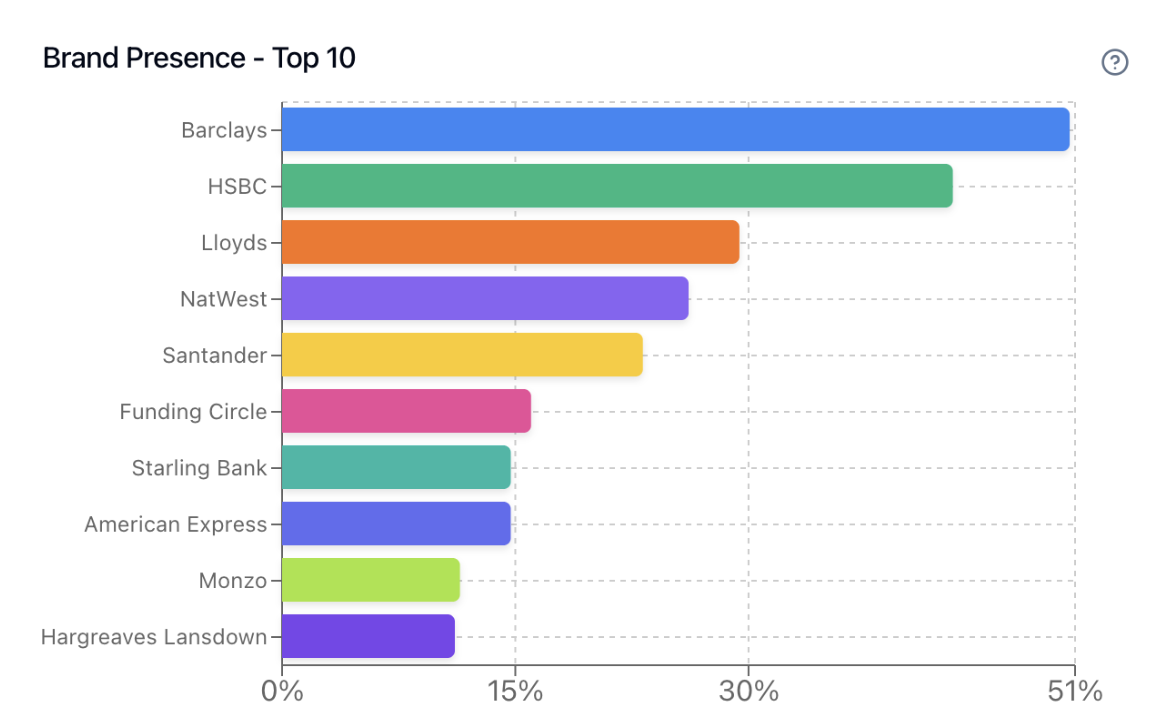
Too many marketers respond to LLM invisibility the wrong way. They panic, publish more, ramp up SEO production as if they’re shouting louder into a storm. But LLMs aren’t impressed by noise. They’re selective readers with very particular tastes: clarity, citation, semantic structure, regional grounding, and source reliability.
Publishing more is irrelevant unless what you publish is aligned with how machines think.
So pause. Audit. Not with SEO tools; but with an LLM lens. Where are you showing up? How are you being described? What types of content in your category are surfacing consistently and why?
You need to forget what’s trending and look at what’s recurring.
Get Your House in Order
Before you aim to outrank your rivals, you need to clean up your own signal.
Is your content geo-anchored?
Is your language consistent across regions and channels?
Are you cited by sources LLMs trust?
Are your most important assets digestible by machines?
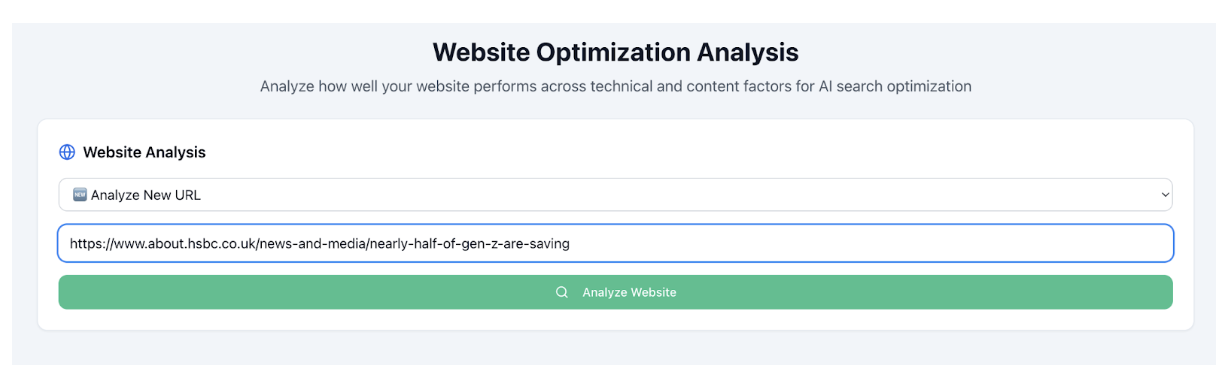
It’s not about saturation. It’s about precision. The brands that show up are the ones who leave a trail built to be followed: structured, relevant, machine-readable.
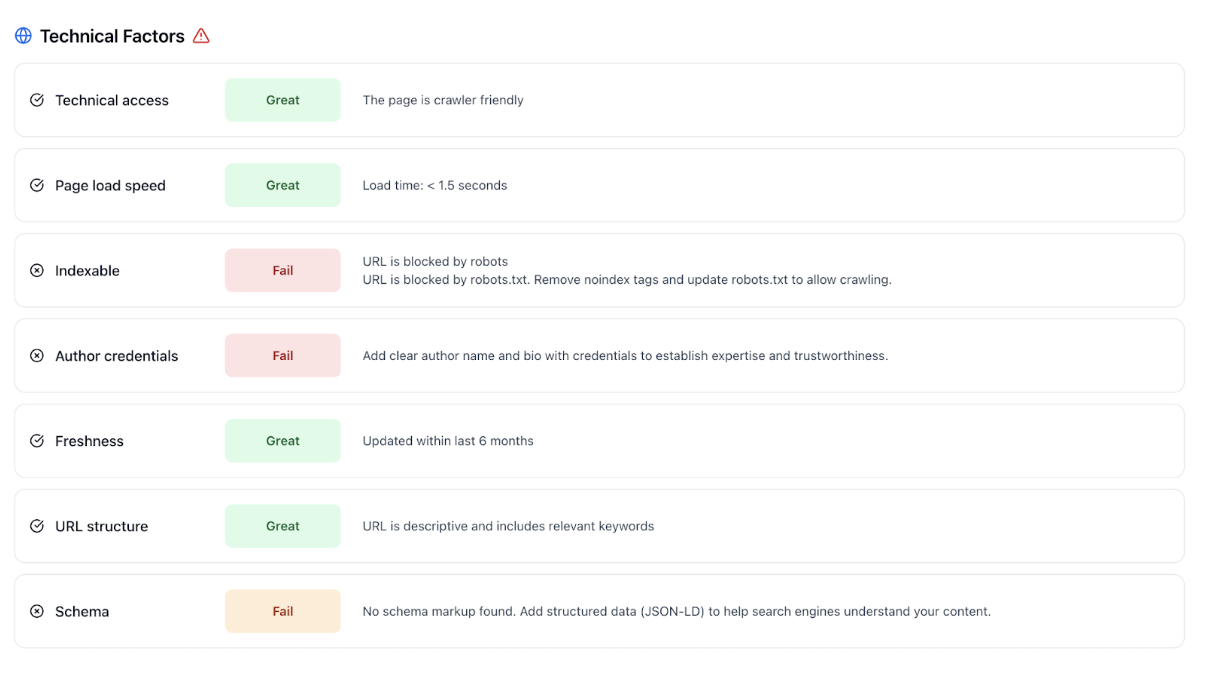
SEO was about optimising content for discoverability. LLM strategy is about engineering content for adoption.
Think about the models themselves. They're retrained, updated, and fine-tuned continuously. A single PR piece picked up in a government report can shift your brand's prominence overnight. A misattribution or outdated FAQ can bury your relevance for months.
If you're still treating content governance like a hygiene task, you're already behind. It's the plumbing. The wiring. The bones.
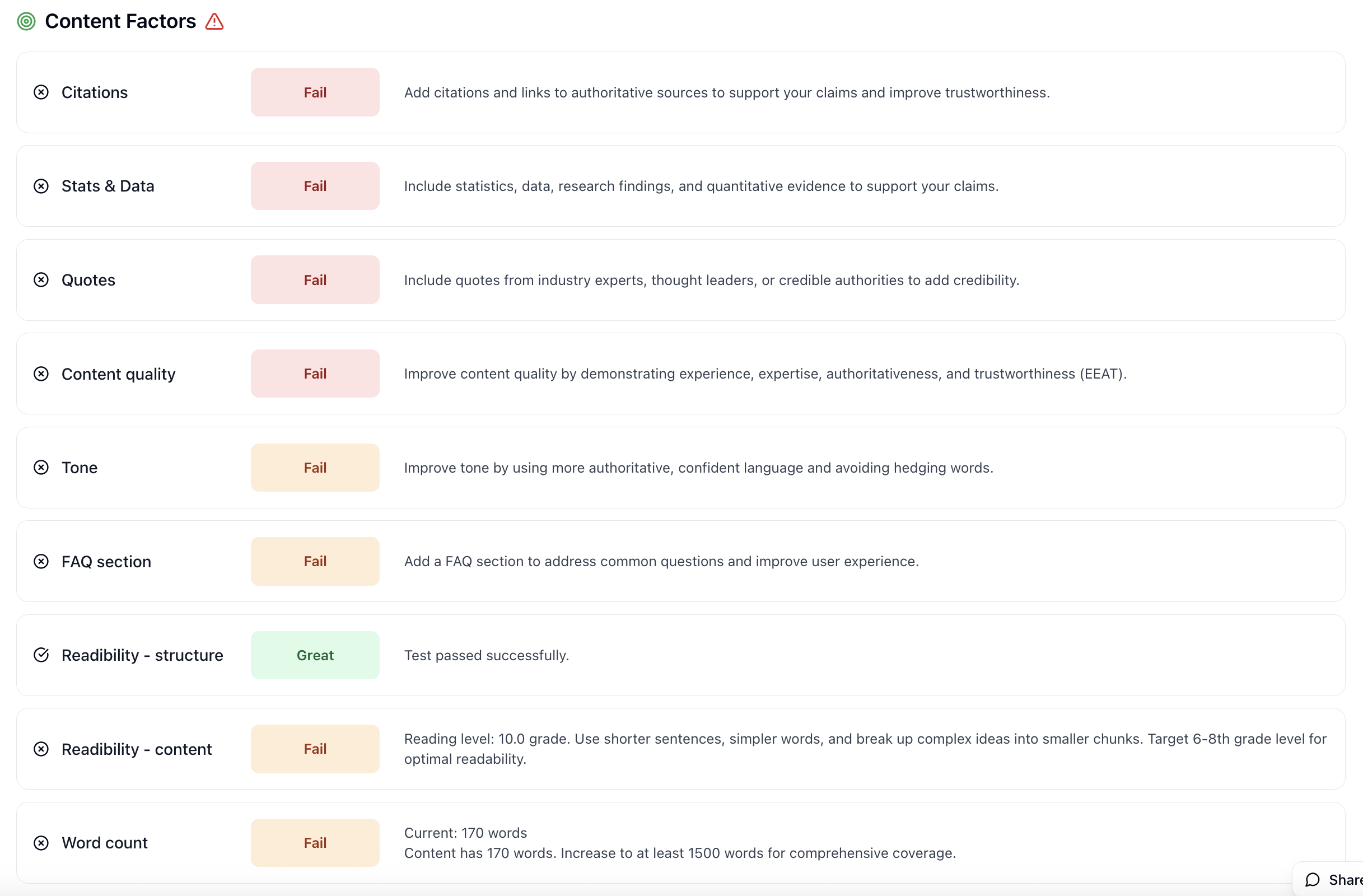
Your teams must treat LLM visibility as a living, breathing channel. One that requires constant monitoring, real-time feedback loops, and proactive adaptation. It’s not a campaign. It’s a system.
There is an unspoken danger here.
LLMs aren’t echo chambers; they’re architects of what gets remembered. That means the brands that win visibility early get more exposure, more citations, more inferred credibility and, in turn, more inclusion in future model updates. It’s a feedback loop. One that doesn’t necessarily reward truth, quality, or innovation. It rewards presence.
If your competitor is first, they get to define the category. Not just in language, but in logic.
The most dangerous place for a brand to be is not misunderstood. It’s unmentioned.
So What Next?
Forget the homepage redesign. Forget the microsite. If you want to matter in the age of LLMs, you need to stop creating content for humans to browse and start creating content machines will choose.
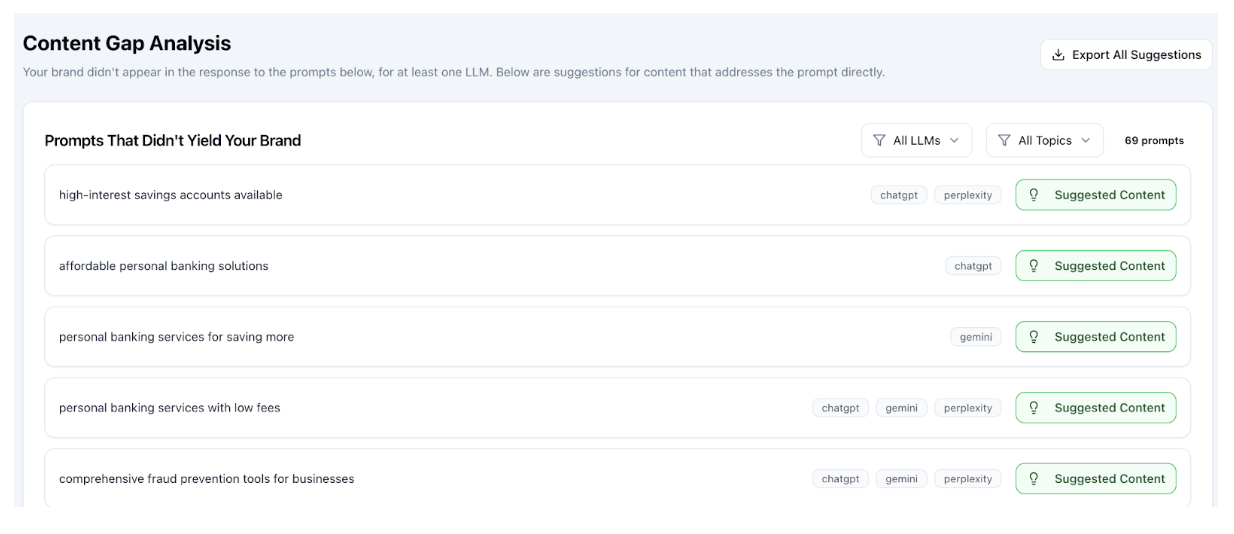
Because here’s the reality no one wants to say out loud: the content that shapes rankings in ChatGPT, Claude, Gemini, and Perplexity isn’t the loudest. It’s the most usable. The most structured. The most model-friendly. And that doesn’t happen by accident—it happens by design.
The models are telling you what they like. You just have to listen. Look at the answers. Study the formats that keep surfacing. Track the patterns. Then build accordingly.
And once you've done that? You don’t sit back. You watch.
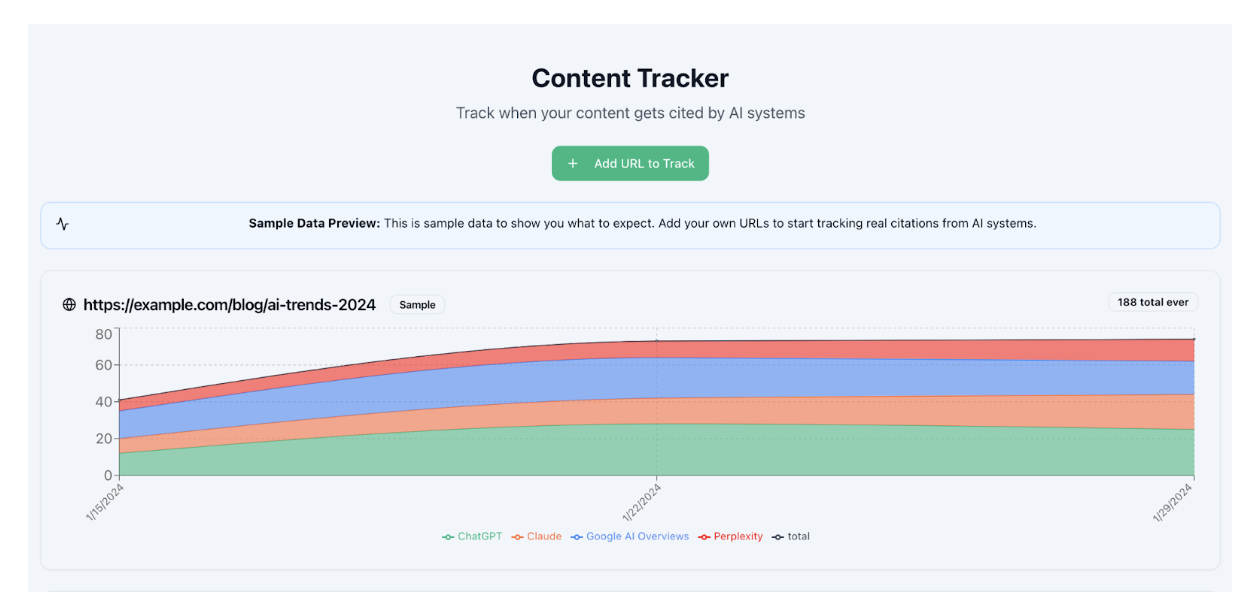
LLM visibility isn’t static, it moves. What appears in answers today might be gone by next week. A competitor publishes a better version. A new model rolls out. The model drifts. Suddenly, you’re out of the conversation.
If you’re not tracking your content’s performance across models, you’ll lose ground before you even realise you were in the race. This is survival. You need a system. A tool. Something built to monitor the rise and fall of your visibility in real time. Because that’s the only way you stay ahead of the pack.
This is the new frontline of digital relevance. No second pages. No fallback clicks. Just one shot to be part of the answer.
If you’re not building for the model, you’re building for no one.
Because in this new ecosystem, relevance isn’t granted by search engines or swayed by paid media. It’s determined by machines parsing trillions of signals—and deciding, in milliseconds, whether you matter.
There’s no front page. No scroll. No second chance.
You’re either chosen, or you’re not.
Spotlight exists to make sure you are.
It shows you what the models see. Tracks how your brand moves across answers. Flags the gaps. Surfaces the threats. And helps you create content the machines are more likely to use; again and again.
In a world where LLMs are the new gatekeepers of visibility, Spotlight is your radar, your compass, and your competitive edge.
Because if the models are shaping the future of your brand, you’d better be shaping what they learn.
Sources
www.get-spotlight.com
Primacy Effect (https://wirkungswerk.de/en/primacy-effect-a-critical-consideration/)
Position Bias (https://medium.com/manomano-tech/conquering-position-bias-d64880104fd4#)